Masters Training
CrossFit Over 50: A Competitor's Guide to Winning the 50–54 Division
Most fitness-after-50 advice is written for people trying to avoid decline. This is for the 50-year-old who still wants the podium — what actually changes, what doesn't, and how to structure training to win.
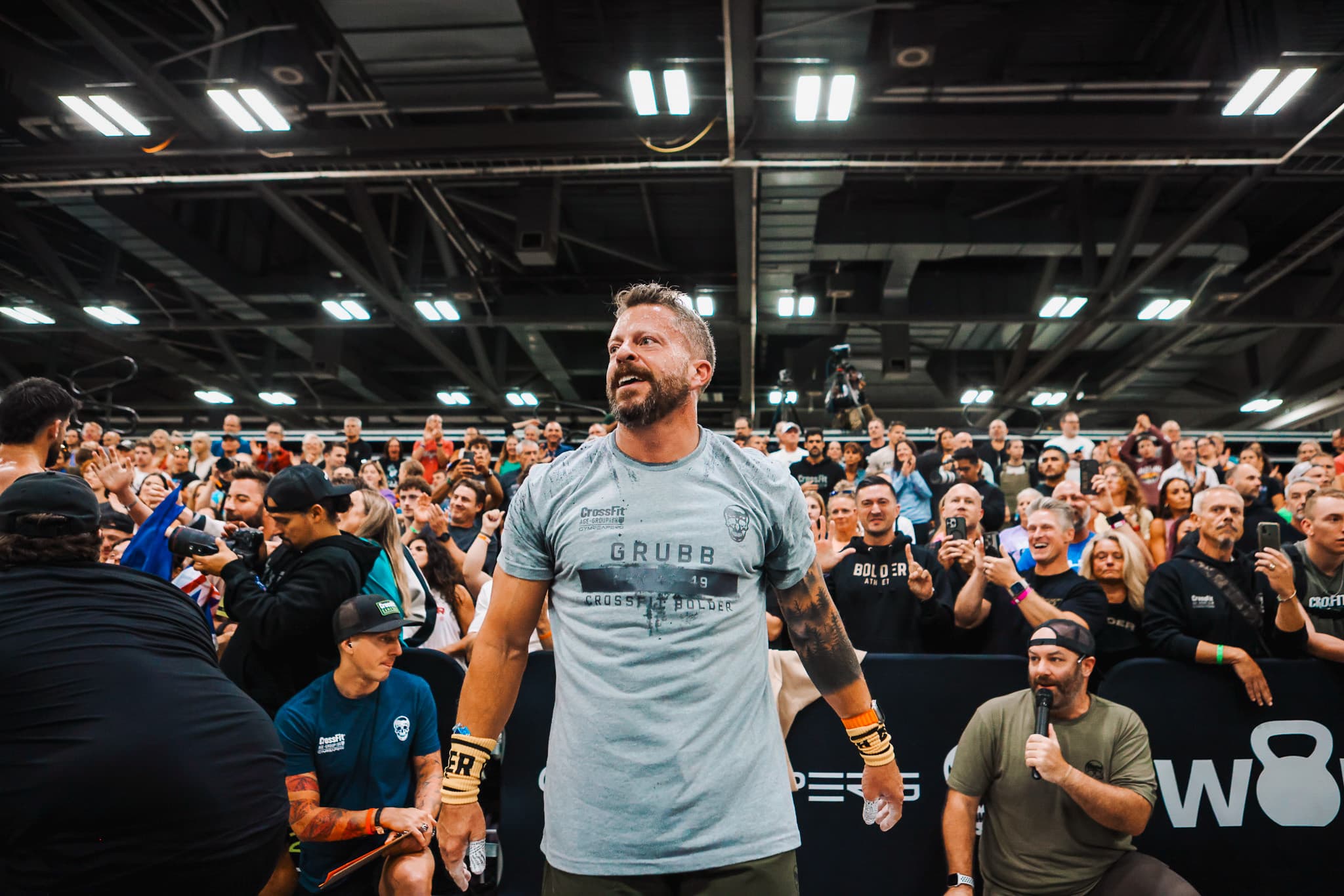
Most “fitness after 50” advice is written for people trying to avoid decline. This isn't that article. This is for the 50-year-old who still wants to compete — who looks at the 50–54 division and sees a podium, not a participation medal. I know that athlete because I am that athlete. I won my seventh Masters CrossFit Games title in the 50–54 division, twelve years after starting CrossFit at 38.
Here is what actually changes after 50, what doesn't, and how I'd structure training if your goal is to win — not just survive — in this division.
What actually changes after 50
Let's be honest about the physiology, because a plan built on denial fails by February.
Recovery slows down. The same workout that cost you 24 hours at 42 costs you 36 to 48 at 52. Not because you're soft — because tissue repair, glycogen restoration, and nervous system recovery all genuinely slow. This is the single biggest variable in masters training, and everything below flows from it.
Muscle is harder to keep, not impossible to keep. After 50, your body resists building and holding muscle — the research calls it anabolic resistance. The answer isn't less protein. It's more, distributed better, paired with strength work that never leaves the program.
Top-end power fades first. Sprint speed and max power decline faster than endurance. Your engine ages gracefully; your top gear doesn't. That means power has to be trained deliberately to be kept — and dosed carefully, because it's also the most expensive work to recover from.
Joints keep receipts. Twenty years of training volume lives in your shoulders, knees, and back. At 50, exercise selection is not about what looks impressive. It's about what you can load hard, pain-free, for the next decade.
What does NOT change: you can still get stronger. You can still build capacity. You can still learn skills. You can still peak for a championship. The ceiling is real, but almost nobody over 50 is anywhere near it — they're limited by recovery management and program design, not by their birth year.
The six adjustments that matter
1. Match volume to recovery — then guard it
The correct dose is the amount of work you can recover from and improve from. At 50, that dose is smaller than it was at 40 — and pretending otherwise is how good athletes spend a season managing injuries instead of building fitness. Shorter sessions, fewer junk reps, every working set earning its place. This is the same lesson that took me from missing the Games to winning them; it just matters more now.
2. Use intensity like a budget
I teach an intensity spectrum: Blue for recovery, Green for Zone 2 capacity, Yellow for sustainable work, Orange for threshold and competition pace, Red for true max effort. After 50, most of your week should live in Blue, Green, and Yellow — the work that builds the engine and keeps you healthy. Red is a withdrawal from a small account: about twice a week, planned, and never by accident.
3. Never let strength leave the program
Strength is the quality that protects everything else — muscle mass, bone, joint integrity, and your ability to express power. Heavy, technically sound lifting stays in the plan year-round at 50+. What changes is the delivery: more warm-up runway, stricter positions, and exercise variations your joints vote yes on. A pain-free heavy single you can repeat beats a heroic lift that costs you a week.
4. Train power on purpose, in small doses
Short sprints, jumps, throws, Olympic lifting at crisp percentages — small, sharp doses of speed while you're fresh. Power work done tired is how 50-year-olds get hurt. Power work done fresh is how 50-year-olds stay fast.
5. Fuel like it's part of training — because it is
Protein targets go up after 50, not down: roughly a gram per pound of goal bodyweight is a useful anchor for a competing masters athlete, spread across the day. Carbohydrate matches the work. Hydration and electrolytes stop being garnish. And sleep — sleep is the single most powerful recovery tool you have, and the first one busy 50-year-olds sacrifice. Guard it like training, because it is.
6. Pick movements your body can cash
At 25, exercise selection is about potential. At 50, it's about cost. If a movement pattern beats up a joint for two days, swap the variation and keep the intent — a safety-bar squat still builds legs, a trap-bar pull still builds a posterior chain. Substitutions should preserve intent, not surrender it. The athletes who last are the ones who stop paying full price for every adaptation.
What a competitive week looks like at 50+
There's no single template, but the shape is consistent among the 50–54 athletes who stay healthy and dangerous:
- Two high days — the Red work, competition-pace pieces, heavy lifting. Earned, planned, and spaced.
- Two to three capacity days — Green and Yellow work that builds the engine without emptying the tank.
- Daily Blue — walking, easy cyclical work, mobility. Recovery is trained, not hoped for.
- Full rest when the data says so — sleep, soreness, and performance trends overrule the calendar. Adjusting from evidence is maturity. Adjusting from ego is how seasons end.
Competing in the 50–54 division
Here's what people get wrong about this field: it is not softer. The 50–54 athletes at the top have twenty years of training age, enormous engines, and almost no weaknesses to exploit. What decides podiums here:
- Execution. At 50, everyone is fit. The athlete who doesn't miss reps, doesn't panic in transition, and doesn't blow up on day one wins weekends.
- Standards are scaled by decade — train to yours. CrossFit already adjusts loads and movements by age division. Know exactly what your division's versions look like and make them automatic. Don't waste training capacity preparing for the 35-year-old's test.
- Durability is a competitive advantage. The best ability in a multi-day championship at 50 is availability — showing up to the last event as fit as you were at the first. That's built in the ten months before, one recovered session at a time.
Watch
Stop Training Like You're 20
Frequently asked questions
Can you still build muscle and strength after 50?
Yes. It requires more protein, consistent heavy training, and more respect for recovery — but masters athletes set lifetime PRs in their 50s every season. The ceiling moves slower than your excuses do.
How many days a week should a 50+ CrossFit athlete train?
For a competitor, typically five to six days — but only about two of them are truly hard. The rest is capacity and recovery work. Total stress matters more than day count.
Is CrossFit safe after 50?
Load is load: progressed sensibly, scaled to the athlete, and coached well, it's as safe as any demanding sport — and considerably better for you than the alternative, which is getting weaker on schedule. The danger isn't CrossFit. It's a 25-year-old's program handed to a 50-year-old body.
What's the biggest mistake masters athletes make?
Training like the athlete they were at 40 instead of the athlete they are. Volume copied from younger athletes, intensity every day, protein treated as optional, sleep treated as negotiable. Every one of those is a program problem, not an age problem.
The best years are still available
I started at 38. I won my first title at 44. I won in the 50–54 division at an age when most people have been told — by doctors, by culture, by well-meaning friends — to start winding down. The best athletic years begin after 40. I'd add this: they don't end at 50. They end when the training stops matching the athlete.
Train With Jason
Programming built for the athlete you are now.
Bolder Athlete delivers masters-focused programming at $39.99 a month. For training, nutrition, and competition strategy built entirely around you, apply for 1:1 coaching.