The Bolder Method
The Bolder Method: How a 7-Time Champion Trains Athletes After 40
I started CrossFit at 38, overweight and unathletic. Since then I've won seven Masters CrossFit Games titles. People assume the secret is training harder than everyone else. It isn't. The secret is a system — and this is it, written down in full.
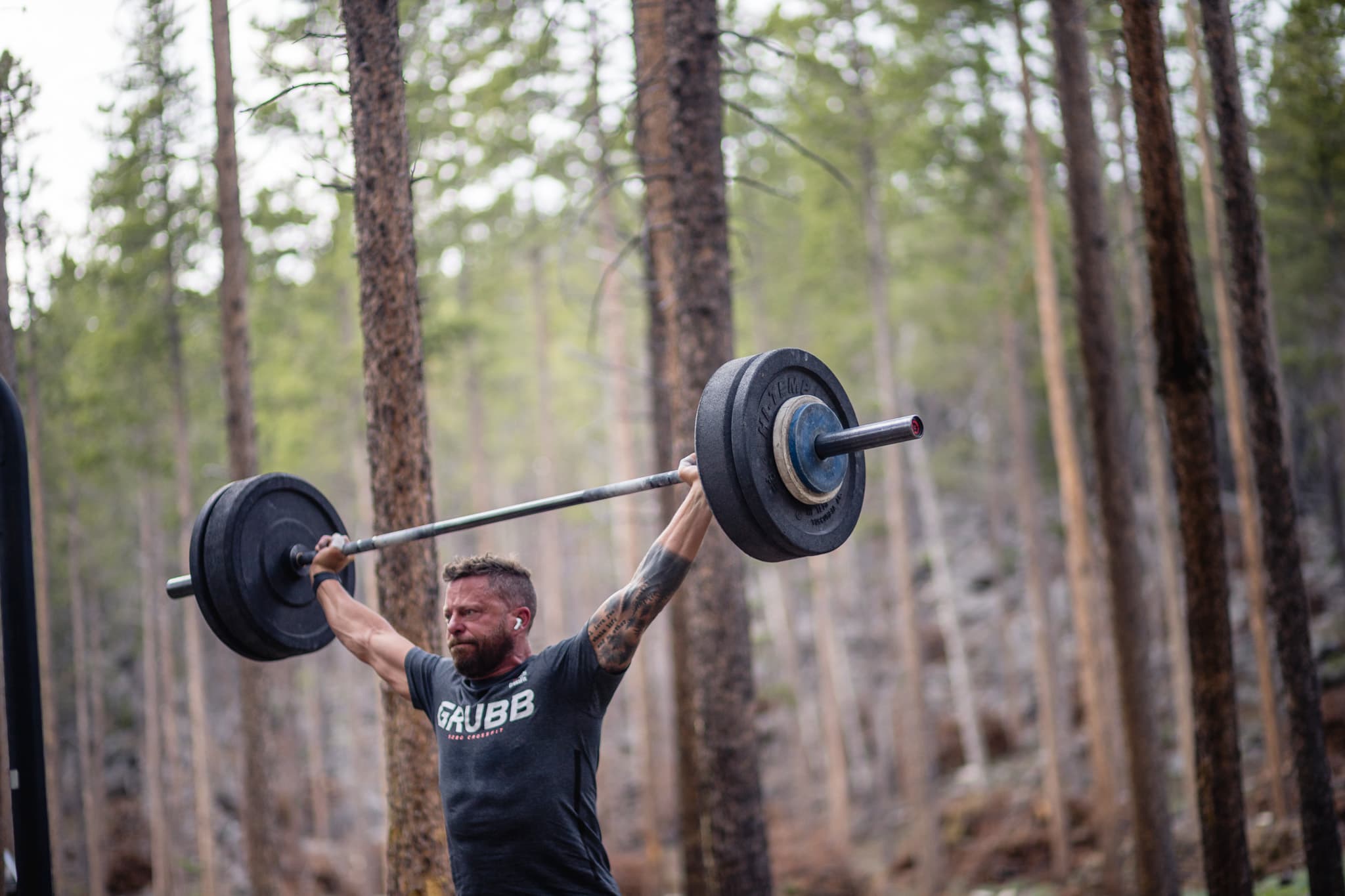
I didn't come to CrossFit with an athletic background to protect. I came to it at 38 with a dad bod and a desk job, which turned out to be an advantage: I never had a 22-year-old's training habits to unlearn. Everything I do was built for the body I actually had — and the body I have now, at 51.
Over thirteen years of competing and coaching masters athletes, that improvised approach hardened into a framework I call The Bolder Method. It runs my own training, it runs the programming my company publishes, and it's what I build for every 1:1 athlete I coach. Here it is — all of it, no course required.
The problem the Method solves
Masters athletes get offered two kinds of programming, and both are wrong.
The first treats you like you're still 22: maximum volume, intensity every day, recovery treated as a character flaw. It works — briefly. Then the shoulder goes, the back goes, the motivation goes, roughly in that order.
The second treats you as fragile because you're older. Everything gets lighter, slower, safer — and you slowly get worse at the thing you love, on a schedule so gradual you blame your age instead of the program.
The Bolder Method starts from a different premise:
Age should influence how an athlete trains, but it should not determine how ambitious that athlete is allowed to be.
The goal is performance plus longevity — keep improving, not merely slow the decline. Those are different goals, and they produce different training.
The four pillars
1. Train Hard
Nothing in this framework is about taking it easy. Hard training is the stimulus that makes a 50-year-old body adapt, and adaptation is the entire game. The Method protects hard training fiercely — by rationing it, which is pillar two's job.
2. Recover Smarter
Recovery is programmed, not accidental. Sleep, fueling, deload weeks, and genuinely easy days are in the plan with the same status as the heavy days — not what happens if you feel like it. At 25, you recover despite your lifestyle. At 50, recovery is a skill you practice deliberately, and it's the skill that decides whether the hard training compounds or just accumulates.
3. Stay Durable
A masters athlete's career is ended by breakdowns, not by birthdays. Durability work — joints, tendons, positions, the unglamorous accessory work — raises the floor under your performance. I think of it as raising the floor, not just the ceiling: your best day matters less than what your body can repeat on an ordinary Tuesday in month nine of a training year.
4. Play the Long Game
Every training decision gets one test: Can you see yourself training like this 10 years from now? If the answer is no, the plan is borrowing from a future you actually want to live in. The Long Game is why the Method has deloads, cycles, and off-ramps built in — and why it never needs a comeback story, because the athlete never left.
The engine: the Intensity Spectrum
Pillars are philosophy. The Spectrum is the operating system — every workout in the Method carries one of five colors, and the color sets the effort before the workout starts:
- Blue — Recovery. Repair, rebuild, adapt. Blue is necessary, not a day off from the plan — it is the plan.
- Green — Zone 2 capacity. Long, conversational engine work. Green builds the engine everything else runs on.
- Yellow — Sustainable. Hard, controlled work you could hold for 20–50 minutes, finishing tired but not on the floor. If you're laying on the floor at the end of a yellow workout, you did it wrong.
- Orange — Threshold / competition pace. Strategic — the most efficient way through, not max effort. This is where competition skill gets built.
- Red — Max effort. Full send. Genuinely valuable, genuinely expensive — so it appears about twice a week, never by accident.
Think of it as an engine: Green and Yellow build it, Orange gets more performance out of it, Red increases its horsepower. Most self-coached masters athletes live at Orange-plus every day, which means they're spending horsepower they never built. The pyramid — lots of Green and Yellow, a good amount of Orange, Red in small doses — is what lets an older athlete absorb serious training volume without breaking down.
Put the whole system in one line, the way I teach it to my coaches:
The track sets the dose. The color sets the effort. The cycle sets the direction. The deload lets the work take effect.
What the Method is not
- Not easier training for older people. My competitive athletes train at volumes most 25-year-olds would respect. The dose is managed; the ambition is not.
- Not random. Varied isn't the same as random. Training runs in progressive multi-week cycles with built-in deloads, so fitness compounds instead of resetting every Monday.
- Not “scaled down.” Scaled down is not the same as built for. A masters athlete following a young athlete's program with lighter weights is still following a young athlete's program. The Method is written for the masters athlete from the first line.
How this looks in a real week
The canonical week runs: push (Orange) → absorb (Yellow durability) → push (Red) → recover (Green at most, Blue the goal) → push (Orange) → send (Red) → rest. The days can shift; the rhythm can't. Push, recover, push — that's the heartbeat that lets a 51-year-old out-train people who “go harder” but never absorb any of it.
Watch
Stop Training Like You're 20
Frequently asked questions
Is the Bolder Method only for competitive CrossFit athletes?
No. It was built at the competitive end because that's where bad programming gets exposed fastest, but the pillars and the Spectrum scale down exactly as well as they scale up. A 55-year-old training for health and capability uses the same colors and the same long-game test — at a different dose.
How is this different from just "listening to your body"?
Listening to your body is a skill, and most athletes are bad at it in both directions — they ignore signals until something tears, or they take every tired day as a stop sign. The Method replaces vibes with structure: the color is decided before the workout, the deload is on the calendar before you’re desperate for it, and assessment replaces guessing.
Do I have to give up max-effort training?
The opposite. Red days are protected by everything around them. Athletes who train max effort daily end up unable to produce a true max effort at all. Twice a week, on purpose, with the recovery to cash it in — that’s how a 51-year-old still hits genuine top-end outputs.
Where do I start if my current training is chaotic?
Start with the audit habit: look at your last four weeks and ask whether the intensity varied on purpose, whether anything progressed, and whether you can see yourself doing it in 10 years. If you want a second set of eyes, my free Programming Audit does exactly that — send me your last four weeks and I'll tell you honestly, on video, what the Method would change and what it wouldn't.
The bottom line
The Bolder Method isn't a secret, and it isn't complicated: train hard, recover smarter, stay durable, play the long game — with a color on every day so the intention survives contact with your motivation. It's the framework that took an overweight 38-year-old beginner to seven Games titles, and it's the framework I coach from today. Age gets a vote in your training. It doesn't get a veto.
Train With Jason
Programming built for the athlete you are now.
Bolder Athlete delivers masters-focused programming at $39.99 a month. For training, nutrition, and competition strategy built entirely around you, apply for 1:1 coaching.